
May 3rd is World Press Freedom Day. The United Nations General Assembly (UNGA) proclaimed it so in 1993. The date deliberately coincides with the anniversary of the Windhoek Declaration. This document was written up by representatives of the African press and establishes the principles of freedom of the press.
According to Article 19 of the Universal Declaration of Human Rights, freedom of speech is a fundamental right. It also stipulates that “everyone has the right to freedom of opinion and expression; this right includes freedom to hold opinions without interference and to seek, receive and impart information and ideas through any media and regardless of frontiers.”
With this premise as a guide, general principles of freedom of the press explain that there is only an independent press if it is free from “governmental, political or economic control or from control of materials and infrastructure essential for the production and dissemination of newspapers, magazines and periodicals.”
It also recognizes that “by a pluralistic press, we mean the end of monopolies of any kind and the existence of the greatest possible number of newspapers, magazines and periodicals reflecting the widest possible range of opinion within the community.”
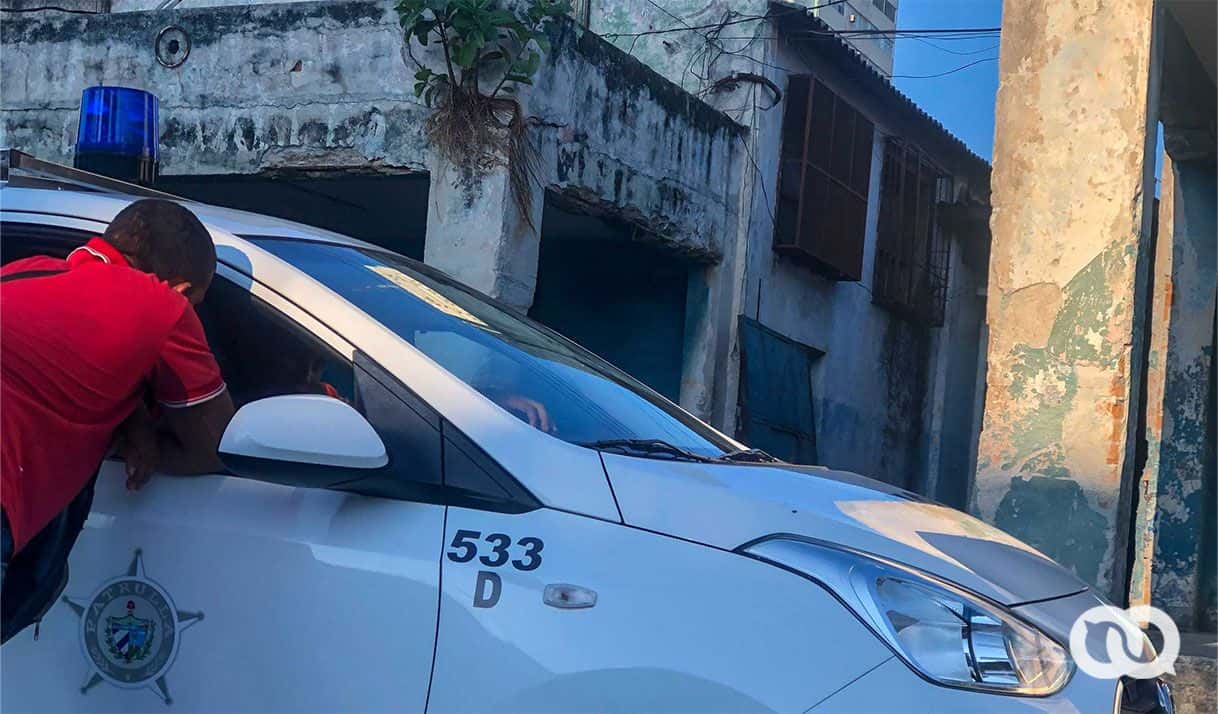
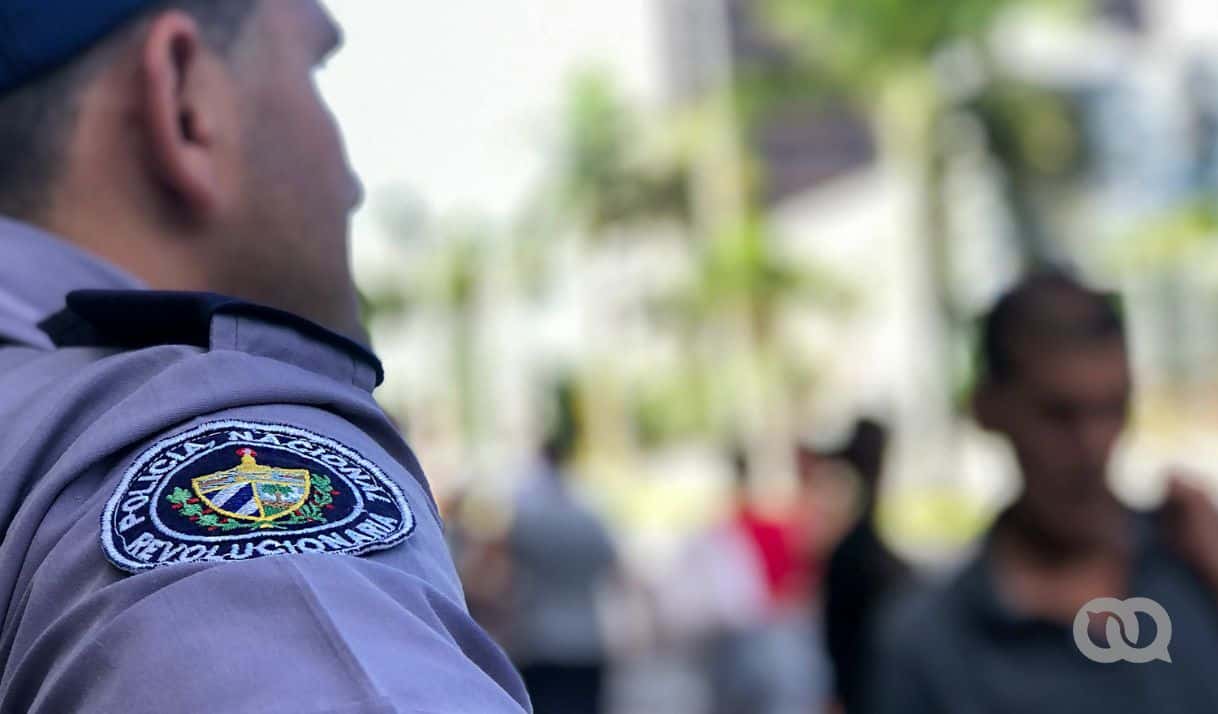
Another May 3rd came around in Cuba and there are still no safeguards for these principles. It’s a society where key media outlets are controlled by the only existing political party, and those who try to be independent are criminalized, stigmatized, and persecuted.
This persecution not only happens to independent professional journalists, but also to citizens who express their concerns on social media, in the public space and on alternative communication channels to report the reality in their neighborhood or society. Laws such as Decree Law 370 and 35 lay out restrictions and sanctions for expressions in the virtual space, and the draft bill of the new Penal Code further expands upon this.
Within this context, it’s especially important for Cubans that the UN chose the theme: “Journalism under digital siege”, to shine a light on this year for World Press Freedom Day. A theme spotlights “the multiple ways recent developments in surveillance, as well as big data collection and artificial intelligence (AI), impact journalism, freedom of expression and privacy. Also, under the spotlight will be digitally-mediated attacks on journalists, and the consequences of all this on public trust in digital communications,” the UN website reads.
Network surveillance – which independent journalists, opposition members and activists suffer in Cuba – is seen as a threat to the exercise of freedom of the press, in other parts of the world. In UNESCO’s last report on World Trends in Freedom of Expression and Media Development (“Threats that Silence”), electronic and digital surveillance endanger journalism all around the world. The report says that surveillance endangers journalists’ safety because it reveals sensitive and personal information that can be used to harass them in court or to attack them arbitrarily.
On World Press Freedom Day, we, here at El Toque, want to recognize all the Cuban journalists who suffer harassment, surveillance and repression for practicing their profession. Especially Lazaro Yuri Valle Roca, who has been in prison for approximately 300 days for exercising journalism and standing up to the status quo.
This article was translated into English from the original in Spanish.


Comments
We moderate comments on this site. If you want to know more details, read our Privacy Policy
Your email address will not be published. Mandatory fields are marked with *
Todavía no hay comentarios.