

The Cuban Government continues to take a different path to the one economists suggest to resolve the crisis of the island’s economic system and to revive its economy.
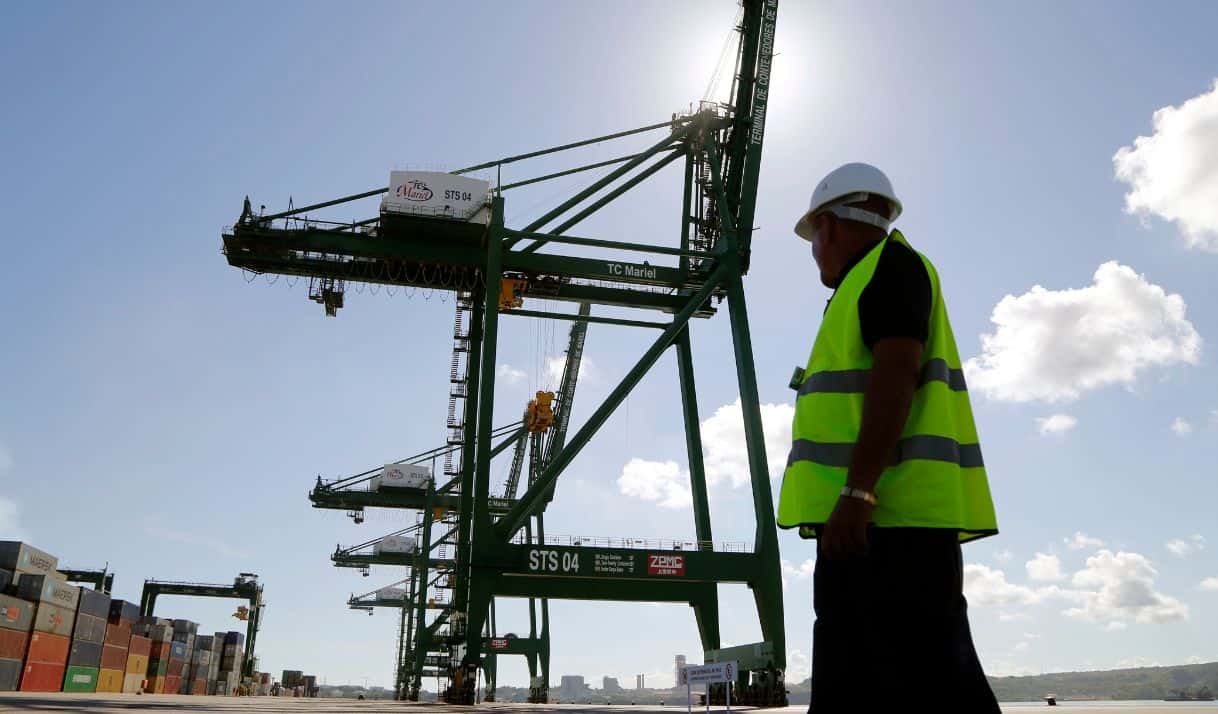
Despite recommendations from economists and other experts in different fields about the need to cut out state intermediaries from imports and exports by private businesses, the Government recently published an updated list of these intermediary companies, adding another six to manage this service.
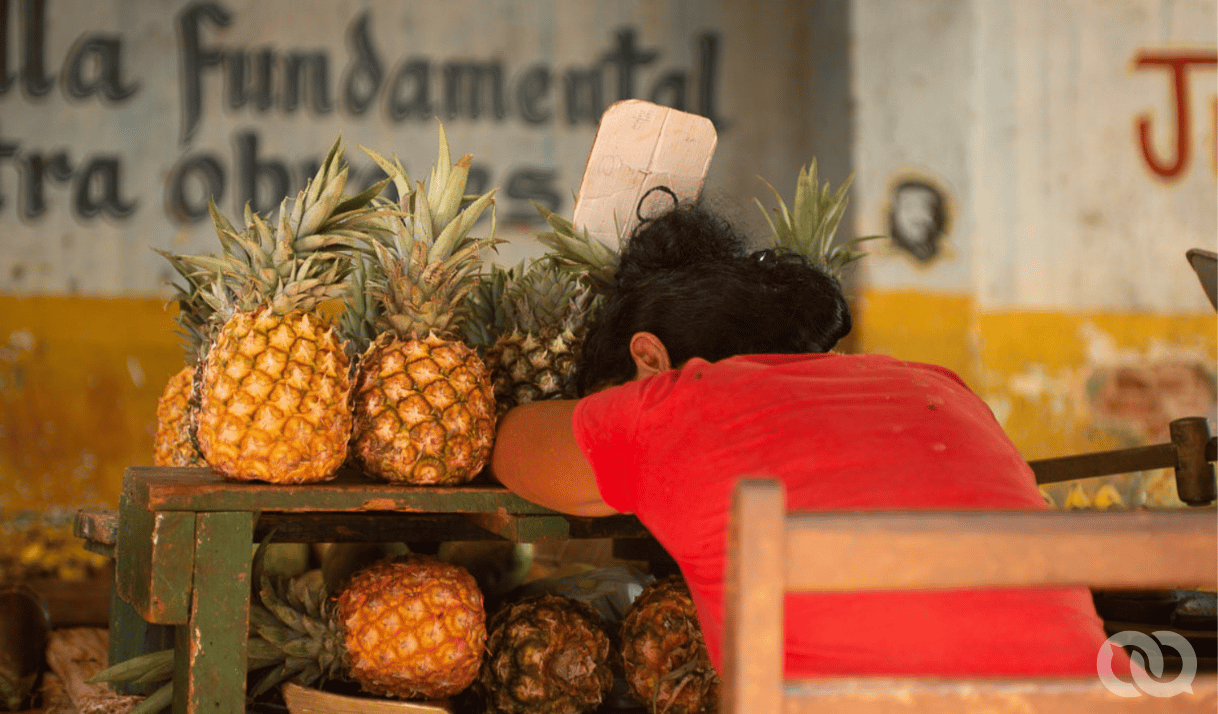
According to Camilo Condis on El Enjambre, a podcast by elTOQUE, this goes hand-in-hand with a new tax on retail sales to individuals and legal entities selling agricultural products at retail points belonging to credits and service cooperatives, farmers’ markets, agricultural production cooperatives, sales at fairs, etc.
“The measure was ordered and made public by the Ministry of Finance and Prices, and completely goes against suggestions made by Cuban economists to stimulate farm production. This regulation is only going to increase the price of agricultural products in the short-term. Meanwhile, any tax will be reflected in Cuban people’s pockets,” Camilo says.
Lucia March and Maykel Gonzalez agree with Camilo, saying that the country needs to get rid of taxes in the agricultural production chain, given the critical situation the country is in right now.
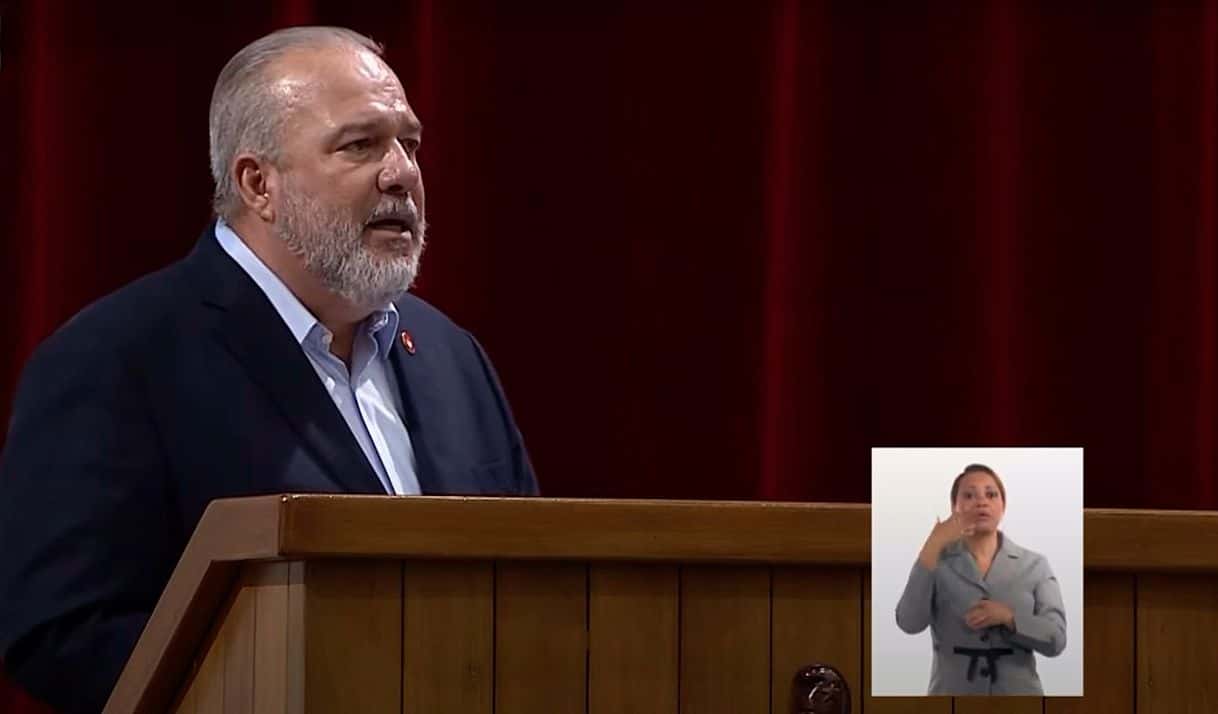
The second contradiction between economists and the Cuban Government has to do with the stores selling with USD prices via magnetic currency called MLC. According to El Enjambre hosts, Alejandro Gil, deputy prime minister and the minister of Economy, stated last week that if MLC stores didn’t exist, the country would be in an even tighter spot and goods and services being sold to the population in Cuban pesos would be even less, given extreme shortages on the commercial network.
Furthermore, Gil said that MLC stores were a social justice measure because they allowed foreign currency to be redistributed, stocking up the commercial network in Cuban pesos. “The insult comes as a slap in the face when you realize that Gil isn’t even an economist and that what he’s saying, doesn’t in fact agree with what economists are saying, unfortuntely,” Maykel points out.
Interestingly enough, that same week Alma Mater published a series where they asked economists to talk about the elements that have an effect on Cubans’ everyday lives. One of the questions they asked was the following: Would it be better for MLC stores to be closed immediately and for good? The experts answered the following:
Antonio Romero, a professor at the International Economy Research Center at the Universidad de La Habana, said that eliminating the network of MLC stores should form part of the economic and institutional reforms process, drawn up in a way so that monetary sovereignty is reestablished and the national currency accomplishes everything it’s meant to.
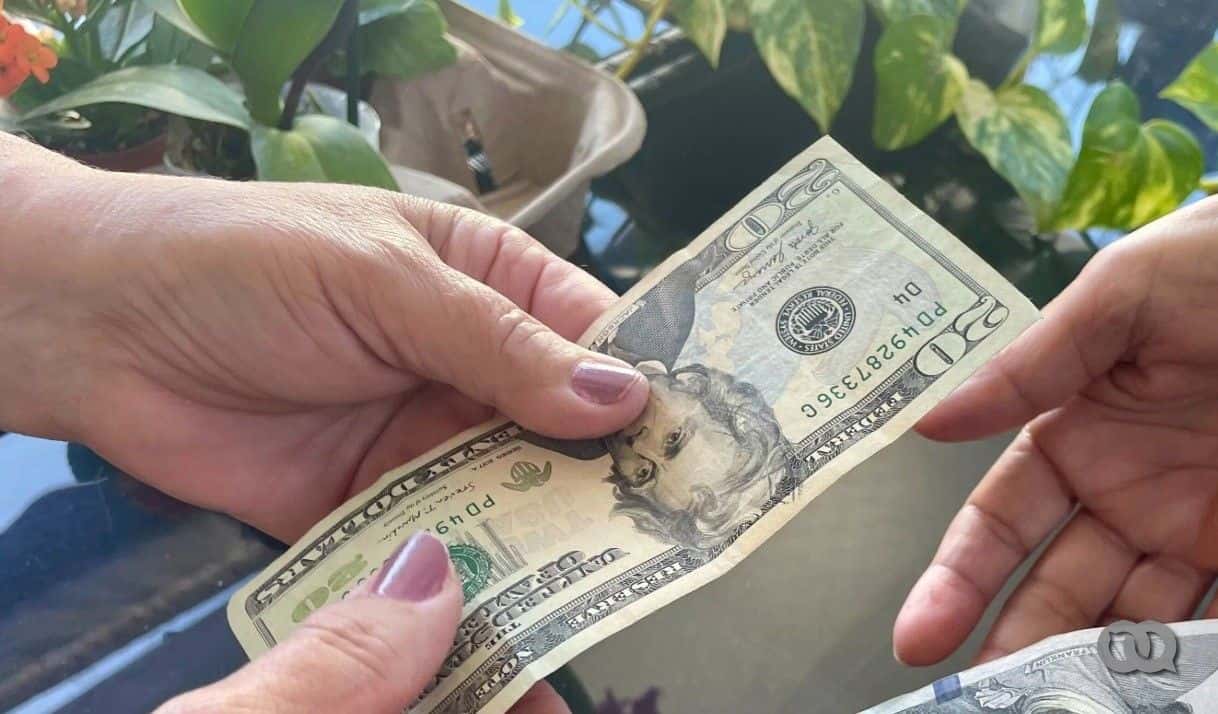
Oscar Fernandez, an independent consultant, pointed out: “MLC stores aren’t the problem, the problem is that there is a selection of goods that can only be found at these establishments and there isn’t a market in Cuban pesos. This wouldn’t be a problem if there was a legal mechanism for those who don’t earn their wages in MLC, allowing them to exchange their pesos and go to these stores to buy what the rations doesn’t sell them.
“As there is no currency exchange market, people are forced to turn to the informal market. Economic policy drives Cubans towards an illegal activity, while the draft bill of the Penal Code proposes extremely severe sentences for people who make deals on the informal exchange market, and this conflict is unacceptable.”
On the other hand, Betsy Anaya, director of the Cuban Economy Study Center at Universidad de La Habana, said: “I don’t have the statistics about how much MLC stores mean to the country in terms of revenue. While they are significant, it’s unsustainable and unacceptable that basic essentials are being sold in a currency that isn’t the Cuban Peso and for which there isn’t an official exchange mechanism. Lastly, at a time when an important rise in foreign currency entering the country isn’t being noted, the informal exchange rate is becoming higher and higher, as are prices, consequently, of products for Cubans who have no access to hard currency.”
Anaya added that this network was conceived with the mission of holding onto dollars in Cuba, the ones that were leaving to other countres such as Panama, to buy different goods, as a temporary measure to face the “shock” that has come from a combination of the COVID-19 pandemic and a stricter blockade. In this regard, she recommended we go back to the initial objective: to promote sales in free trade areas for individuals and legal entities, but also to ensure freely convertible currency is legally sold to anyone who wants to go to these spaces.
According to Juan Triana, an economist from the Cuban Economy Research Center at Universidad de la Habana, an appropriate exchange policy needs to be adopted and dollar purchases need to be respected in these stores. He says that the operating scheme of these stores seems to be broken at its core, as these stores are unable to guarantee a stable supply so products are being sold at high prices, which contributes to inflation, speculation and hikes up the demand for dollars and growth of speculation on the USD – MLC market, and vice-versa, fueling inflation again.
“This new deformed version of what was the CUC is a lot worse than its predecessor. The root of this evil lies in the extent to which the retail sector has been nationalized and monopolized since 1968,” the expert says.
Consultant Ricardo Torres believes that the issue of MLC stores is economic and political in nature. “The underlying issue here is that revenue in foreign currency plummeted and the Government opted for a solution that has an extremely high political cost. The fact that Cuba depends so much upon remittances and the financial system and the fact the financial system doesn’t offer an alternative for these currencies to enter the economy, clearly illustrates the steep downturn in productivity that is severely affecting the country. There are other ways to get a hold of these currencies, but this won’t resolve the problem large population groups have in accessing them.
Iliana Fernandez, a professor at the Department of Cuban Economics at Havana University, summarized the two alternatives: or dollarize the entire economy or eliminate MLC stores completely.
“Experts who have worked or work in institutions that have the task of analyzing and studying the Cuban economy are advising the Government to get rid of MLC stores or to sell MLC to Cubans officially. None of this is a priority though for the minister of Economy, who defends the exact opposite; nobody can get their head around that! The minister should read a little more Alma Mater and Temas,” says Camilo.
This article was translated into English from the original in Spanish.




Comments
We moderate comments on this site. If you want to know more details, read our Privacy Policy
Your email address will not be published. Mandatory fields are marked with *
Todavía no hay comentarios.